First
Last
email@email.com
3 Steps to Predict Market Moves
Strategy
June 23, 2026

Skye
Decoding institutional Liquidity Sweeps
Executive Summary
Retail traders lose because they trade the open. Smart money wins because they wait for the trap. Every day at 10:00 AM ET, the market undergoes a massive liquidity transfer. This isn't random—it's the classic Accumulation-Manipulation-Distribution (AMD) cycle playing out in real-time. If you want to stop being the liquidity, you need to start trading with it. Here is the exact playbook.
Step 1: The Setup
Context is everything. Before hunting for entries, establish your higher-timeframe narrative.
- Look at the 1-Hour chart to confirm the macro direction.
- If the structural trend is bullish, sit on your hands until the clock strikes 10:00 AM EST.
- The golden execution window closes at 11:30 AM EST. If the setup doesn't happen during this specific 90-minute window, there is no trade.
Step 2: The Trap & Trigger
Once the window opens, zoom into the 5-Minute chart. You are waiting for two distinct phases:
- Accumulation: Price moving sideways, building up orders and trapping retail liquidity on both sides.
- Manipulation: A sudden, aggressive stop-hunt (fake-out) that sweeps below the accumulation lows.
- The Trigger: As soon as price aggressively snaps back into the range, leaving a clean Fair Value Gap (FVG), you enter. Place your invalidation stop-loss strictly just below the manipulation swing low.
Step 3: The Target
Profits belong to those who wait. Do not micro-manage your position or take profit too early.
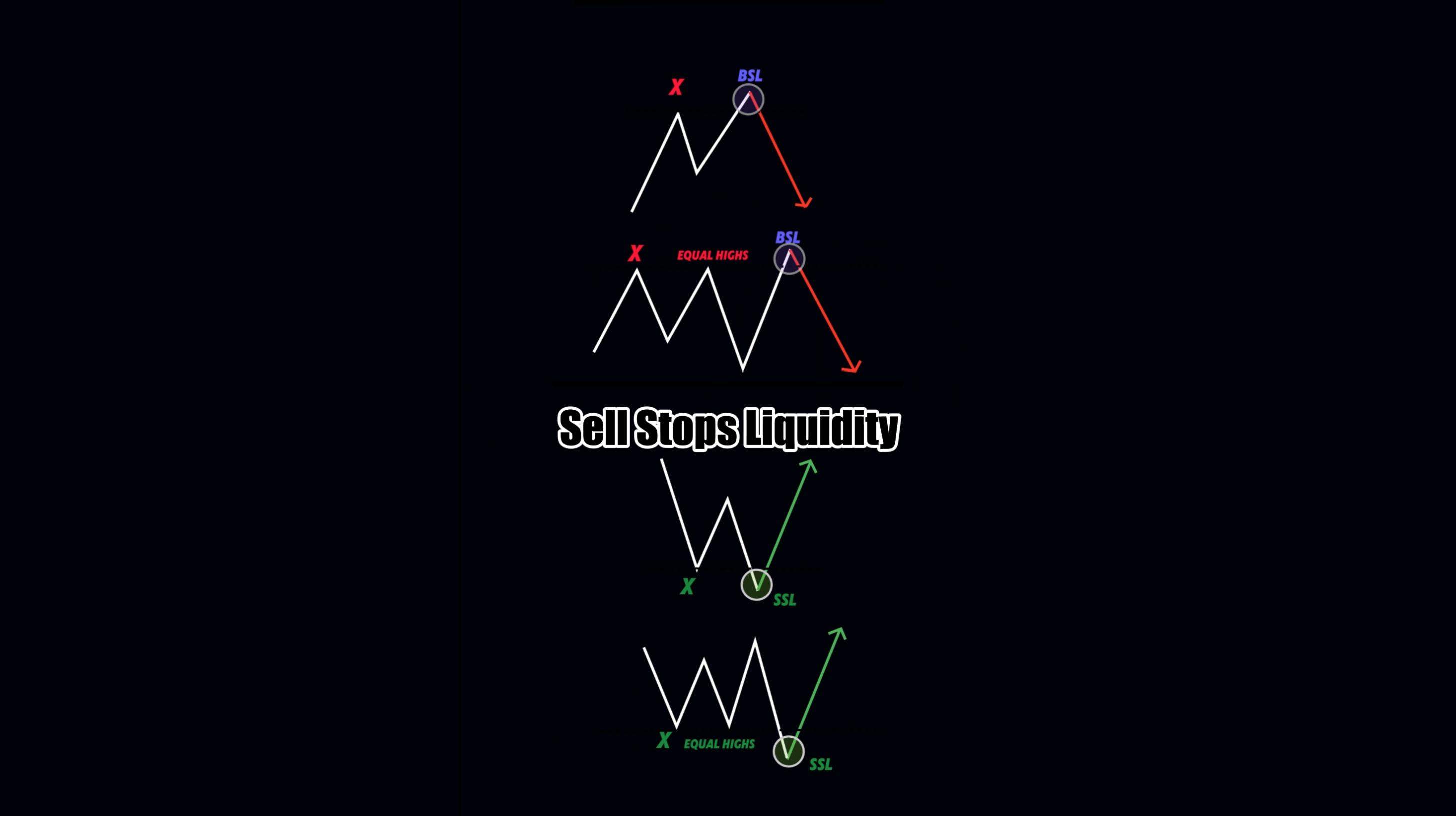
- Your primary target is the institutional buy-side liquidity (BSL) resting above high-level swing highs.
- When price pushes into these liquidity pools and converges with your higher-timeframe resistance (red zones), exit the market completely. Secure the bag without hesitation.
Data confirms that the market edge lives within specific time corridors. Stop burning your capital during low-probability hours. If it's not after 10 AM ET, protect your chips and stay on the sidelines.
Which phase of the AMD cycle do you struggle with the most—identifying the accumulation or keeping your discipline during the manipulation?
In an era of information overflow, alpha lies in asymmetric execution, not intuitive consensus.
Skye
SMC Market Analyst
Subscribe to our newsletter
Get the insider insights you need to scale, straight to your inbox.




Decode the Market. Quantify Your Edge.
Elite quantitative models and real-time execution signals. Trade with institutional power.

Copyright © 2026 Hong Kong Arakawa Limited. All rights reserved.


%2C%20Color%3DNegative.svg)