搜索
Only One Candle: A Simple & Effective 4-Hour Range Trading Strategy (No Indicators Needed)


The Power of Simplicity
In the world of trading, "simple" is often more resilient than "complex." Have you ever experienced decision fatigue from stacking too many technical indicators? Today, I will guide you back to the essence of the market and break down a 100% rule-based 4-hour range strategy that ignores market noise. This strategy is not only easy to master but has shown an incredibly high win rate in backtesting.
Setting the Range
The first step of this strategy is to define the "battlefield" for the day. We use NY (New York) time as our benchmark.
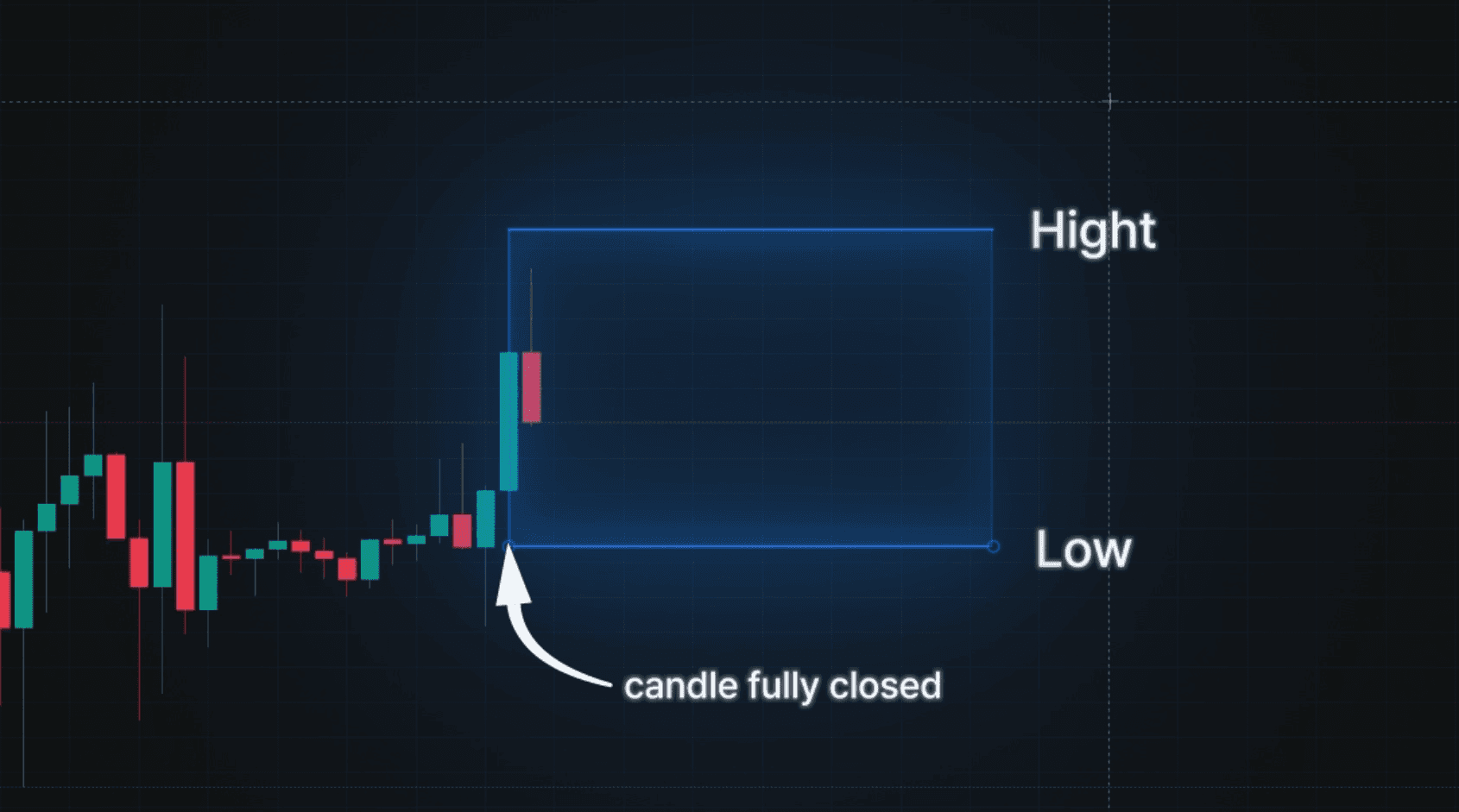
Operational Logic: Open TradingView and set the time frame to 4 hours. Observe the "first 4-hour candle" after the New York market opens.
Steps:
Wait for the candle to close completely.
Precisely mark the high and low of that candle.
Extend these two horizontal lines for the entire day; these lines are your only trading range boundaries for the day.
Spotting the Setup
Once the range is defined, we switch to the 5-minute time frame to look for the reaction when price touches the boundaries.
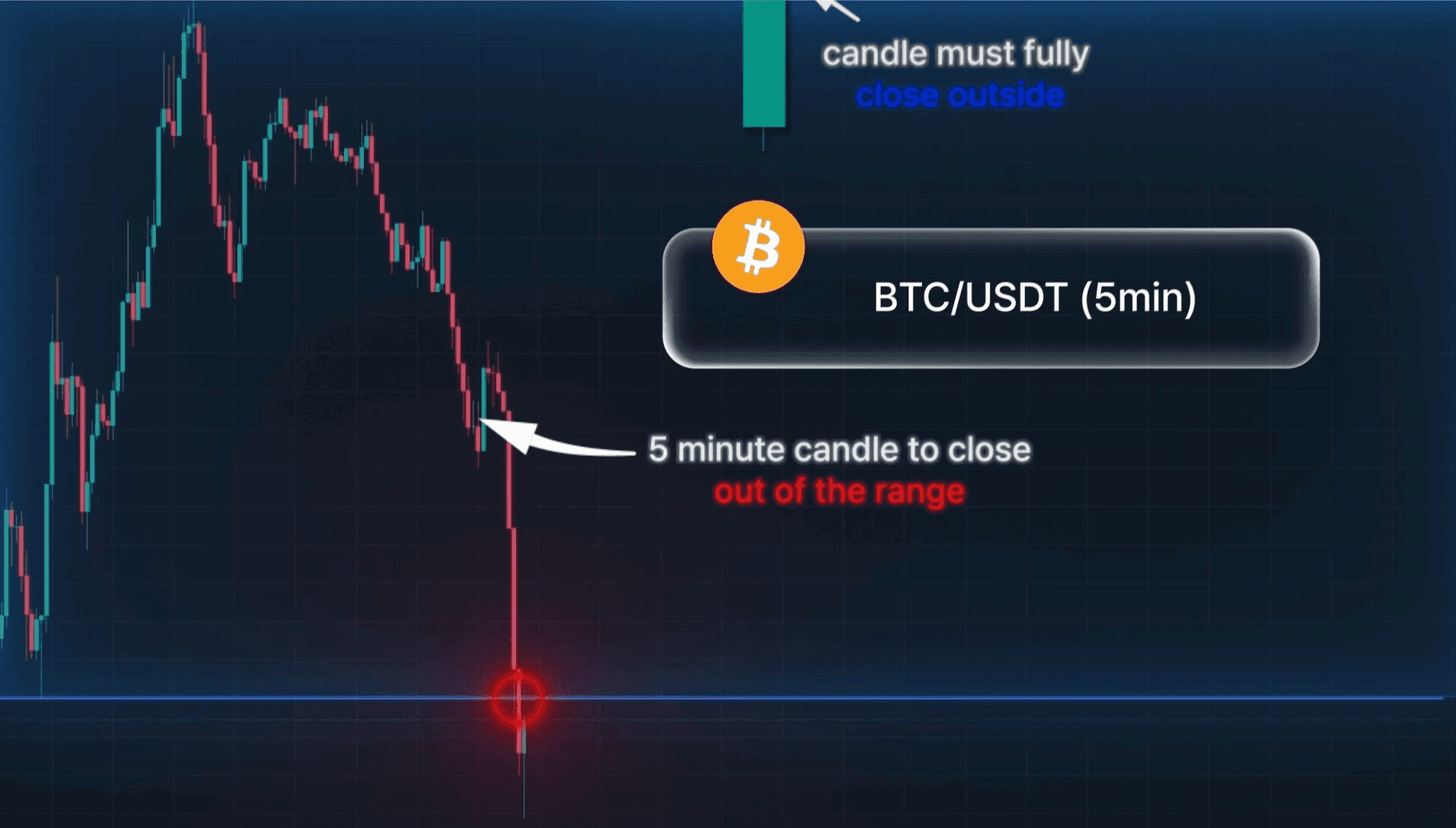
Key Rule—Break & Retest: We are looking for "false breakouts." When price breaks above or below the range and then quickly returns inside, that is our optimal signal.
Note: You must observe the "real body" candle close. It is not enough for the wicks to pierce the range, as wicks often indicate insufficient reversal power. Only when a real body closes outside the range and then closes back inside is it a strong reversal signal from the market.
Executing the Trades
Rules are clear, so there is no need to hesitate:
Shorting: When price breaks above the high of the range and closes back inside, enter a short position immediately. Place your Stop Loss (SL) above the high of the breakout point.
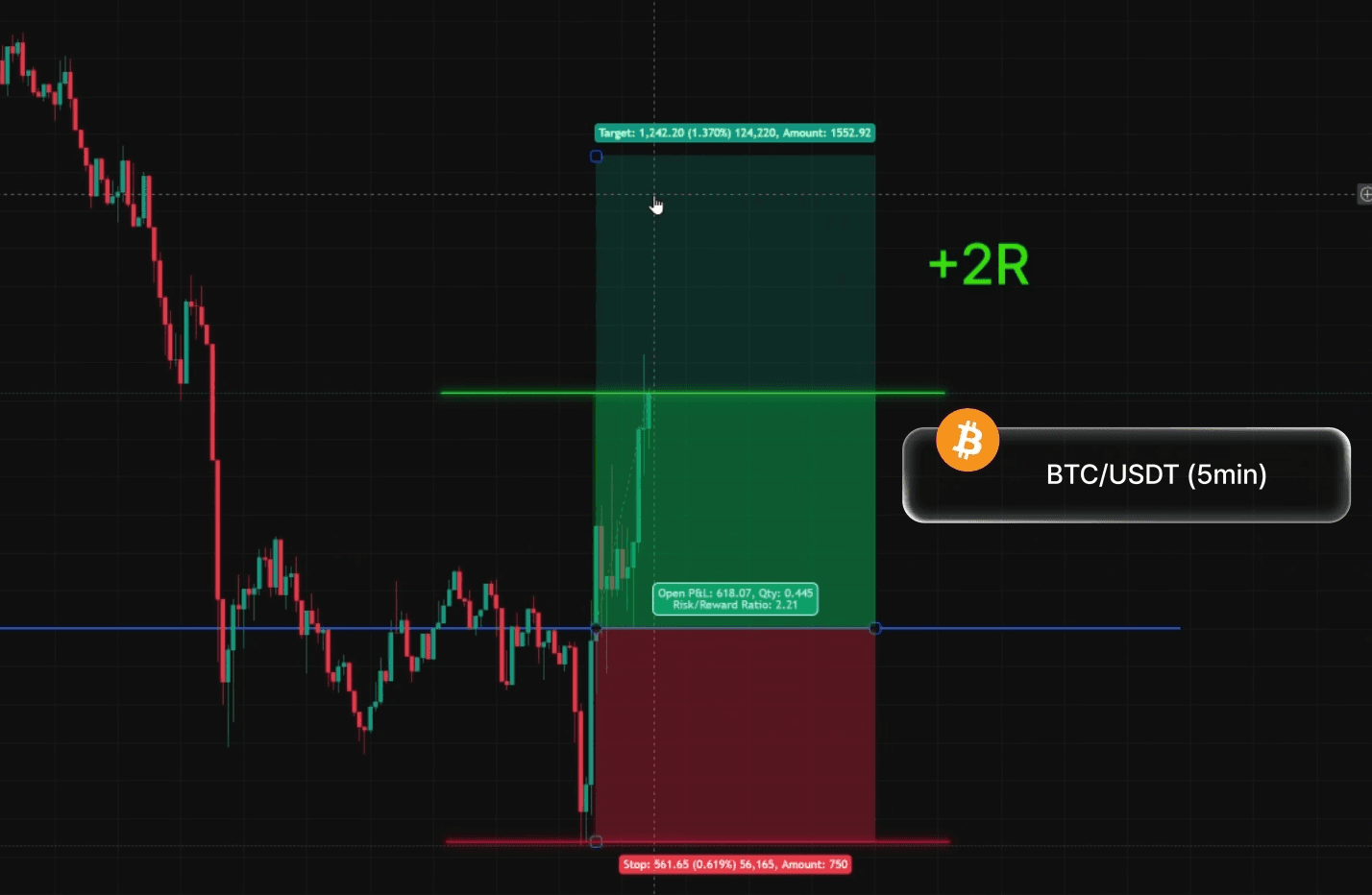
Going Long: When price breaks below the low of the range and closes back inside, enter a long position immediately. Place your Stop Loss below the low of the breakout point.
Risk Management: I suggest setting your Take Profit (TP) to 2 times the risk (2R). This 1:2 reward-to-risk ratio is the key to ensuring long-term profitability.
Backtesting Results
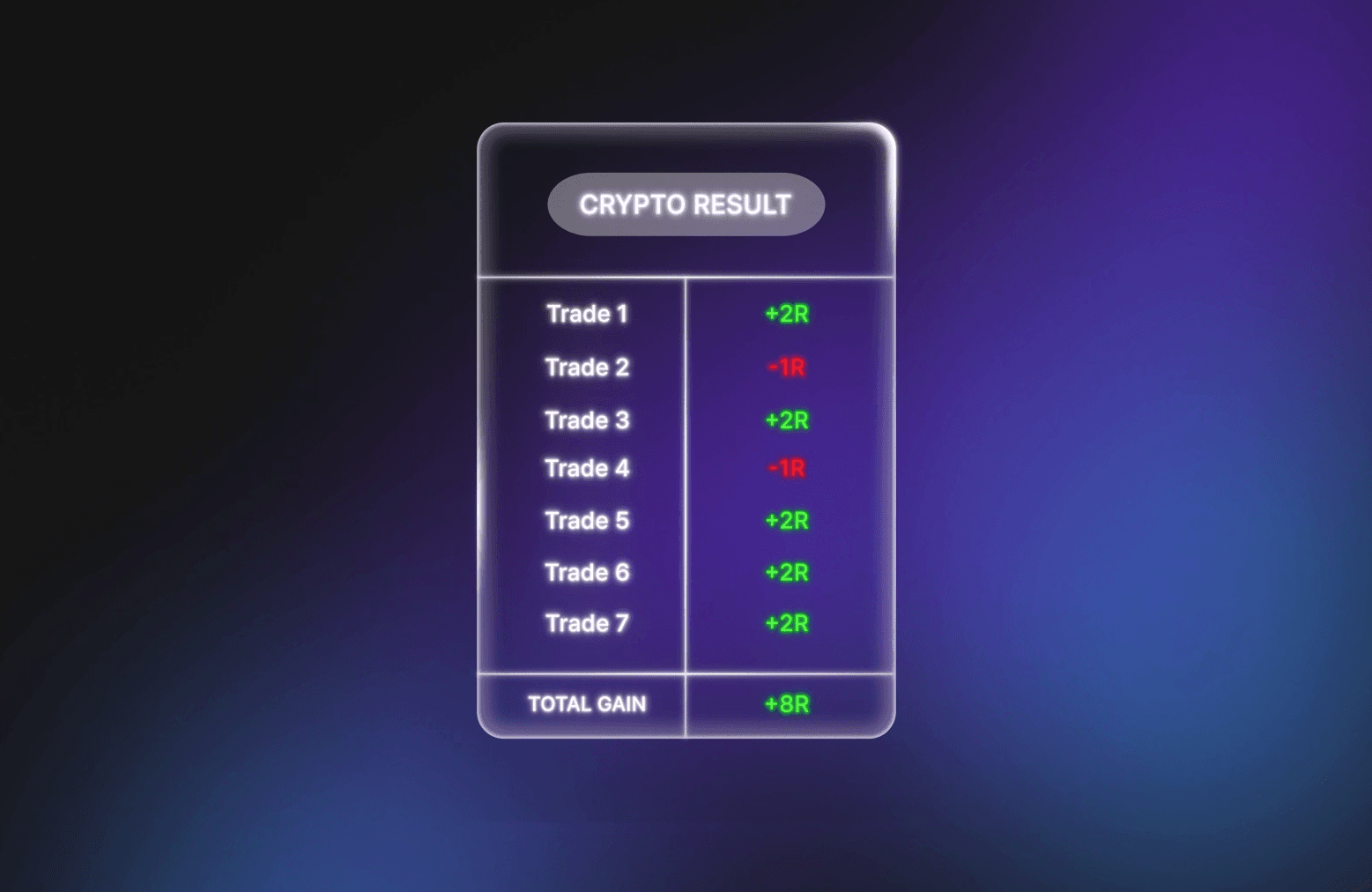
An unverified strategy is just talk. Taking the gold market as an example, in 10 random samples, the strategy achieved 6 wins and 4 losses, resulting in a total profit of 8R.
This means: Win Rate: 60% Reward-to-Risk: 1:2 Performance: Even in its most basic form, its stability far exceeds many complex indicator systems.
Conclusion
The beauty of this strategy is that it doesn't reject other analytical tools; rather, it provides a solid foundation for your trading. You can combine it with trendlines, support and resistance analysis, or even price action theory. Want to stay updated with our latest market insights and trading tutorials? Subscribe to our official website today to ensure you receive our newest strategy research and market analysis reports directly.